
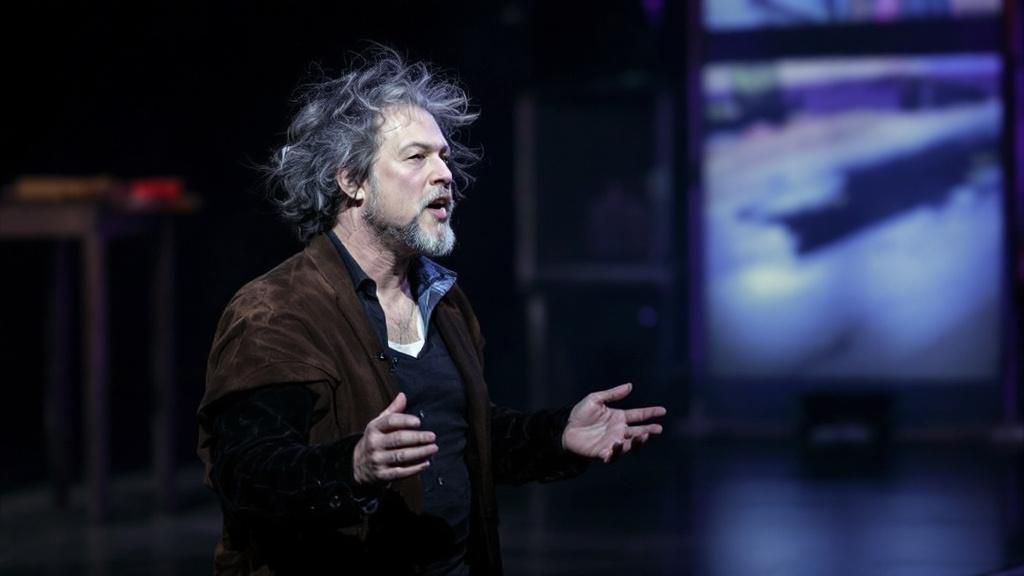
The National Theatre has launched an extensive programme created to democratise access to classical drama across the United Kingdom. This groundbreaking initiative aims to bring world-class theatrical productions to regions far beyond London’s West End, ensuring that audiences in rural and underserved regions can experience Shakespeare, Chekhov, and contemporary interpretations of timeless classics. Through inventive travelling productions, virtual mediums, and strategic alliances, the theatre is significantly transforming how Britain interacts with dramatic literature, rendering quality theatre an entitlement rather than a privilege.
Making Theatre Accessible to Premier Theatre Productions
The National Theatre’s scheme represents a significant transformation in how classical drama engages audiences within the UK. By eliminating distance limitations and cost barriers, the scheme secures that populations in remote locations and financially struggling regions can access shows traditionally limited to the capital’s prestigious theatres. This focus on inclusion reflects a fundamental belief that theatrical excellence should not be determined by postcode or disposable income, but rather allocated equally among all people regardless of their situations.
Through collaborative alliances with regional theatres, educational institutions, and local arts organisations, the National Theatre is creating sustainable pathways for access to classical works. The initiative encompasses travelling theatre shows, subsidised ticket schemes, and locally-driven versions that foster local engagement and cultural stewardship. By nurturing these partnerships, the theatre moves away from a singular London institution into a distributed network of cultural excellence, ensuring that the life-changing influence of theatre becomes widely accessible to theatre-goers across the country.
Technological Innovation and Local Collaborations
The National Theatre’s approach relies on advanced digital solutions to expand access across the nation. By utilising streaming services and digital theatre experiences, the institution allows real-time access to theatrical works for audiences unable to attend in-person. This technical systems democratises cultural participation, enabling audiences from Cornwall to the Scottish Highlands to enjoy high-quality theatre from home. The initiative also incorporates engaging online tools, educational materials, and backstage insights, deepening the theatre experience beyond standard theatrical performances and building stronger connections with classic theatre.
Equally important are the strategic partnerships developed between regional theatre organisations, local councils, and grassroots organisations throughout the United Kingdom. These working relationships guarantee productions appeal to varied audience groups whilst supporting community cultural foundations. The National Theatre provides grants, professional expertise, and artistic leadership to partner venues, creating enduring cultural frameworks in underrepresented areas. By partnering with regional bodies rather than imposing London-based criteria, the initiative respects local distinctiveness whilst maintaining artistic excellence. This cooperative structure transforms classical drama into a authentic countrywide initiative, embedding theatrical culture within communities and establishing permanent cultural impact.
Effects and Forward-Looking Strategy
The initiative’s influence extends far beyond mere attendance figures, fundamentally transforming arts engagement across the nation. Theatre organisations across regions document unprecedented engagement levels, with audiences finding renewed appreciation for classic productions formerly considered out of reach. Areas that traditionally lacked performance venues now experience live performances, learning sessions, and behind-the-scenes insights. This democratisation fosters a increasingly inclusive cultural landscape, encouraging the next generation to participate in theatrical works as a key element of their educational and social development.
Looking ahead, the National Theatre projects sustained expansion of this groundbreaking scheme throughout the next ten years. Planned capital allocation in digital technology will further extend reach, facilitating concurrent transmissions and direct access to filmed shows. Working relationships with educational institutions will integrate period plays within educational programmes, nurturing lifelong appreciation for stage performance. The programme represents a watershed moment, cementing the idea that exceptional theatrical experiences constitute a fundamental cultural right rather than an privilege limited to London.
As this innovative project progresses forward, its success ultimately depends upon ongoing financial support, community engagement, and joint ventures. The National Theatre continues to be focused on evaluating effectiveness through public response, visitor numbers, and learning results, maintaining transparency and ongoing development. This pioneering initiative signals a significant change in UK cultural priorities, affirming that classic plays is for everyone.
